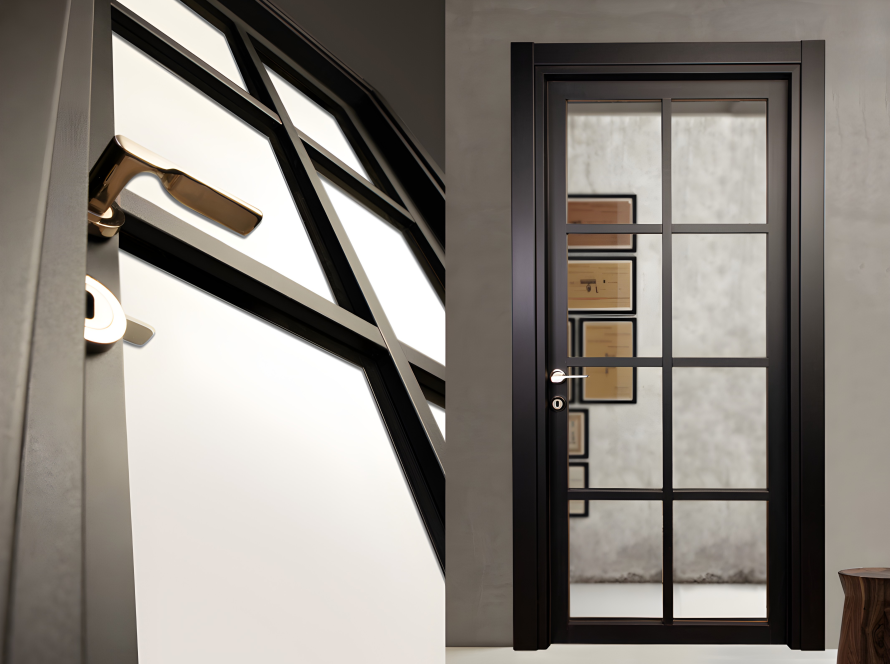
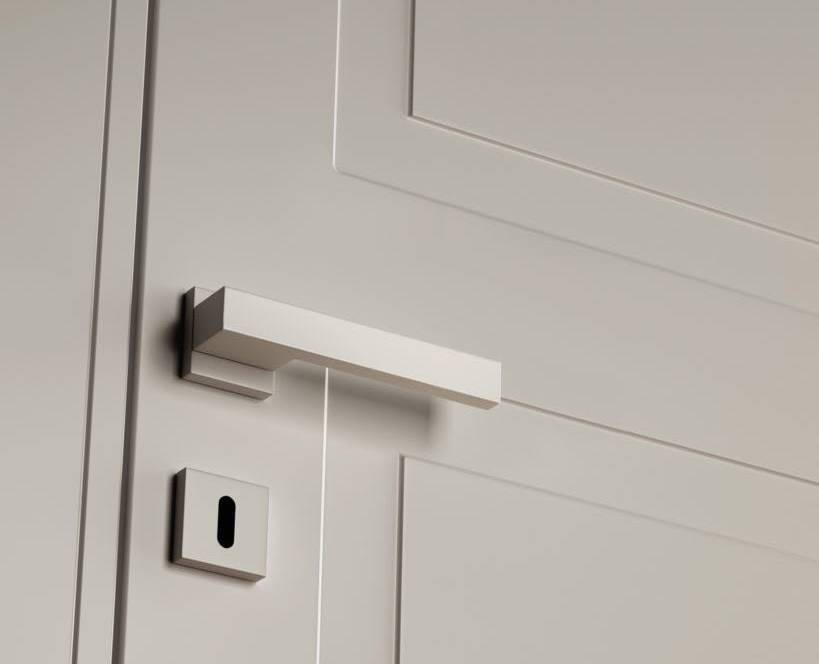
Lacquered interior doors represent the pinnacle of modern architectural door design. Combining flawless aesthetics with engineered durability, they have become the preferred choice for luxury hotels, high-end residential developments, and premium commercial interiors worldwide. This guide covers everything architects, procurement managers, and developers need to know about lacquered door systems — from finish types and technical specifications to sourcing and project applications.
What Are Lacquered Interior Doors?
A lacquered interior door is a door slab — built on an engineered core with HDF face panels — that undergoes a multi-stage painting and finishing process. Unlike standard painted doors, factory-lacquered doors receive multiple coats of primer, base color, and a final lacquer seal in a controlled environment. This process delivers a perfectly smooth, consistent finish that cannot be replicated with on-site painting.
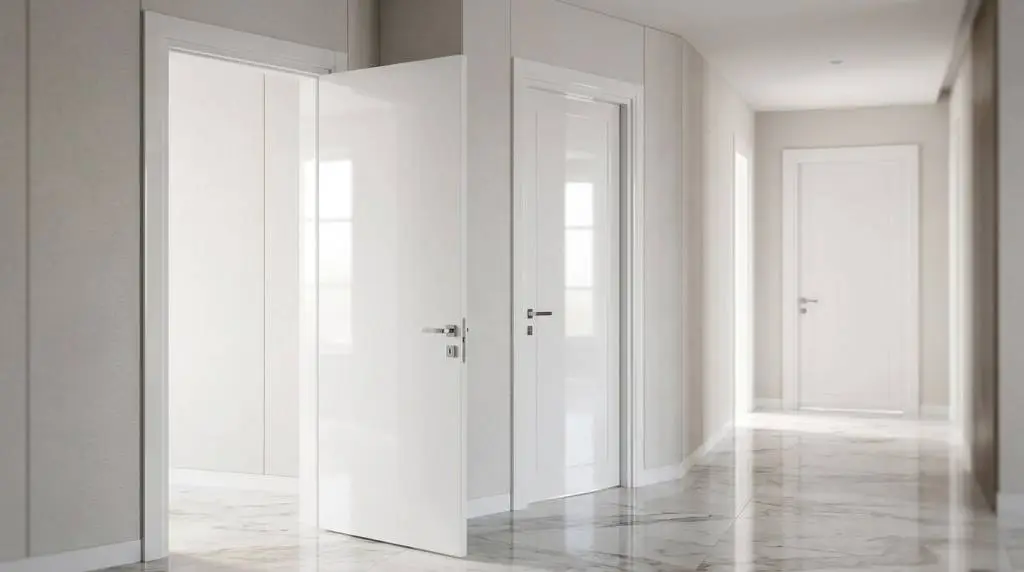
The result is a door surface that is scratch-resistant, moisture-resistant, and UV-stable — engineered to maintain its appearance for decades, even in high-traffic hospitality and commercial environments.
Types of Lacquer Finishes
Lacquered doors are available in three primary finish categories, each suited to different design philosophies:
Matte Lacquer
Matte finishes absorb light rather than reflecting it, creating a subtle, understated elegance. This finish is the foundation of the “silent luxury” aesthetic increasingly demanded by five-star hotel designers and high-end residential architects. Matte lacquer conceals fingerprints and minor surface contact, making it ideal for guestroom entrances and corridor doors.
Silk-Matte (Satin) Lacquer
A middle ground between matte and gloss, silk-matte lacquer offers a soft sheen that adds depth to the door surface without excessive reflection. This finish works well in boutique hotels, luxury apartments, and corporate offices where warmth and sophistication are equally important.
High-Gloss Lacquer
High-gloss lacquer delivers maximum visual impact — a mirror-like surface that reflects light and creates a sense of space. This finish is popular in modern minimalist interiors, retail environments, and statement residential projects. High-gloss requires the most precise manufacturing environment, as any imperfection in the HDF face panel or application process becomes visible.
Technical Specifications: What Makes a Premium Lacquered Door?
Not all lacquered doors are created equal. The quality gap between factory-lacquered doors from a specialized manufacturer and standard painted doors is significant. Here are the key technical parameters that define a premium product:
Face Panel and Core Construction
The visible quality of a lacquered door comes from its face panel: premium manufacturers use HDF (High-Density Fiberboard) because it provides a perfectly smooth, grain-free surface that prevents grain telegraph — subtle wood texture showing through the finish. Behind the HDF face, the core is selected by application: honeycomb for lightweight standard doors, tubular or particleboard for better acoustic and impact performance, and solid slab cores for the highest sound insulation and EI30 fire-rated configurations.
Multi-Layer Application Process
A factory-lacquered door typically receives 6-8 layers of material:
- Primer coat (seals the HDF face panel)
- Sanding between coats (achieves micro-level smoothness)
- Base color coats (2-3 layers for depth and opacity)
- Final lacquer seal (protective topcoat)
Each layer is applied in a dust-free spray booth and cured under controlled temperature and humidity conditions.
UV Resistance and Anti-Yellowing
White lacquered doors — the most popular color in hospitality and residential markets — are particularly vulnerable to yellowing over time. Premium manufacturers use UV-resistant coatings that prevent color degradation, ensuring white doors remain true white for years.
Acoustic Properties
The engineered core provides natural sound dampening — with solid slab or particleboard cores delivering the highest acoustic performance. Combined with proper frame and seal systems, lacquered doors can achieve acoustic ratings suitable for hotel guestroom specifications, where noise isolation between rooms is a critical requirement.
Lacquered Doors vs Other Interior Door Finishes
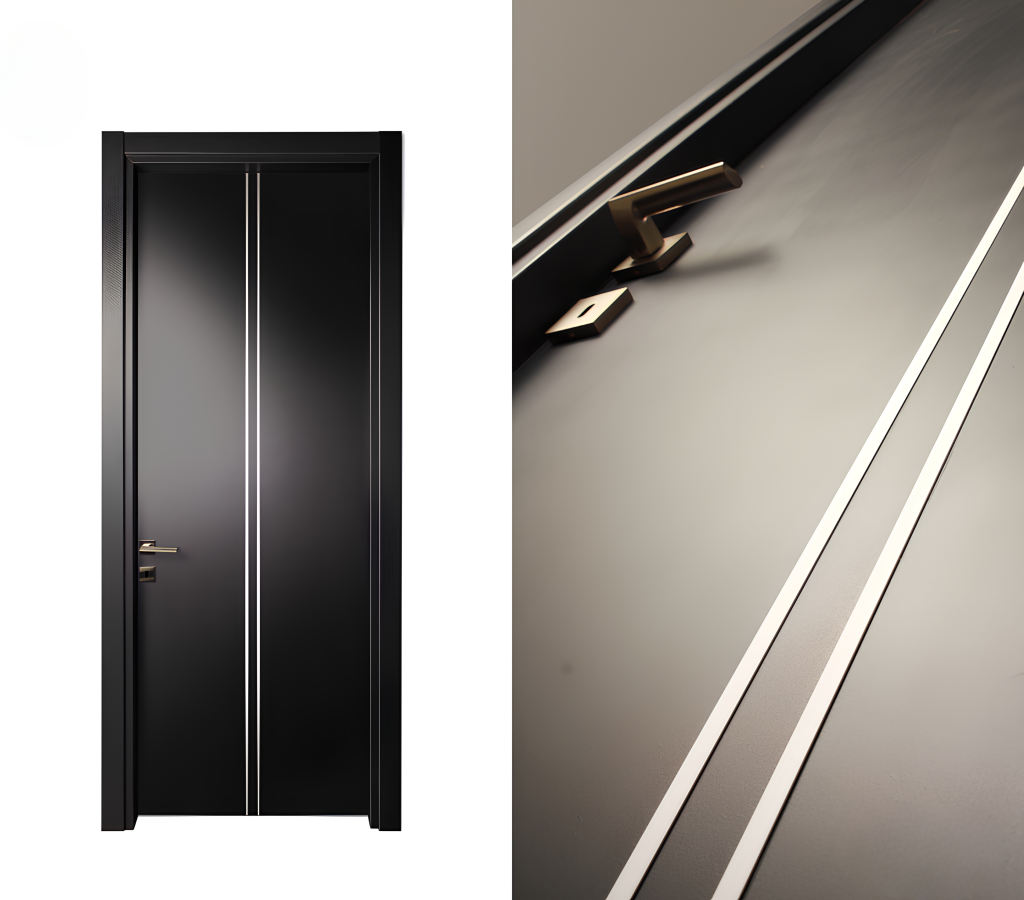
Understanding how lacquered doors compare to alternative finishes helps architects and procurement managers select the right product for each project:
Lacquer vs PVC Coated Doors
PVC coated doors offer excellent moisture resistance and cost efficiency for high-volume commercial projects. However, they cannot match the depth, richness, and custom color flexibility of lacquered finishes. Lacquer is preferred when aesthetics are the primary driver; PVC when durability and budget are paramount.
Lacquer vs Melamine Faced MDF Doors
Melamine faced MDF doors provide consistent color and realistic wood-grain textures at scale. They are the go-to choice for large residential developments where cost-per-unit matters. Lacquered doors, by contrast, offer unlimited RAL color matching and a smoother, more refined surface — positioning them firmly in the premium segment.
Lacquer vs Natural Veneer Doors
Natural veneer doors showcase real wood grain, appealing to projects where organic texture is desired. Lacquered doors offer the opposite: a perfectly uniform, grain-free surface that emphasizes clean lines and contemporary design. The choice depends entirely on the architectural vision.
Project Applications: Where Lacquered Doors Excel
Five-Star Hotels and Hospitality
Lacquered doors are the standard for luxury hotel guestroom entrances. They meet the “silent luxury” brief demanded by leading hospitality brands — concealed hinges, flush frames, and flawless painted surfaces that integrate seamlessly with corridor wall finishes. When combined with EI30 fire-rated cores, lacquered doors satisfy both design and safety specifications simultaneously.
Luxury Residential Developments
High-end apartment complexes and villa developments across Europe, the Balkans, and the Middle East increasingly specify lacquered doors for their ability to deliver a consistent, premium look across hundreds of units. Custom RAL colors allow developers to create signature interior palettes.
Corporate and Commercial Interiors
Boardrooms, executive offices, and premium retail environments benefit from the clean, modern aesthetic of lacquered doors. The matte and silk-matte finishes are particularly popular in corporate settings where understated professionalism is the design goal.
Why Source Lacquered Doors from Turkey?
Turkey has emerged as a major global hub for interior door manufacturing, combining European quality standards with competitive production costs. Key advantages include:
- Scale: Turkish door factories operate at industrial capacity — facilities like Eurasia Door produce up to 12,000 door sets per month, enabling them to serve large-scale international projects without compromising on quality or delivery timelines.
- Strategic Location: Turkey’s position at the crossroads of Europe, the Middle East, and Central Asia provides logistics advantages — 3-5 day delivery to the Balkans, efficient container shipping to Western Europe, and established trade routes to the Gulf states.
- Cost Efficiency: Compared to Western European manufacturers, Turkish producers offer 30-50% cost savings while maintaining equivalent technical specifications and finish quality.
- Sustainability: Leading Turkish manufacturers now operate with 100% solar-powered production facilities, supporting the sustainability goals of green-building certifications worldwide
How to Specify Lacquered Doors for Your Project
When preparing a door schedule or procurement brief for lacquered interior doors, include the following specifications:
- Finish type: Matte, silk-matte, or high-gloss
- Color: RAL number or custom color sample
- Core type: Honeycomb, solid wood frame, or particleboard (EI30 fire-rated solid core available)
- Door dimensions: Width, height, thickness
- Frame and architrave: Matching lacquered frame set or separate specification
- Hardware preparation: Hinge recesses, lock mortises, closer reinforcement
- Acoustic rating: Required dB reduction (if applicable)
- Fire rating: EI30 certification (if applicable)
Conclusion
Lacquered interior doors combine flawless aesthetics with engineered performance — making them the definitive choice for projects where design quality cannot be compromised. From five-star hotel corridors to luxury residential developments across Europe, the Balkans, and the Middle East, factory-lacquered doors deliver the silent luxury finish that defines premium architectural interiors.
For architects, developers, and procurement managers seeking a reliable manufacturing partner for lacquered door systems, Eurasia Door offers factory-direct supply from Turkey with a production capacity of 12,000 sets per month, custom RAL color matching, and EI30 fire-rated options. Contact us for technical specifications and project pricing.